
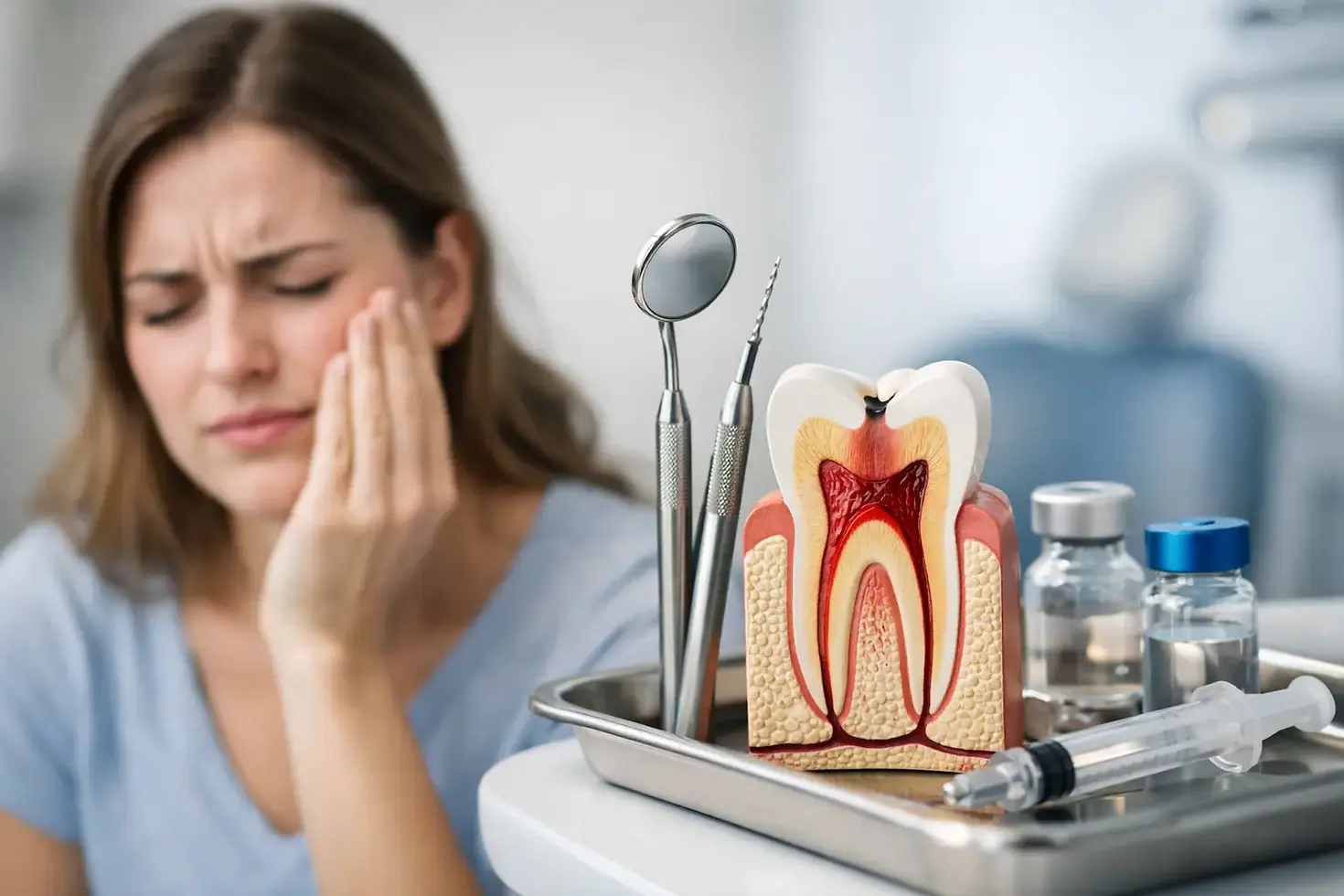
7 Signs You Need Root Canal Treatment

A tooth that suddenly hurts when you sip coffee or bite into lunch can be easy to brush off at first. But some signs you need root canal treatment are your mouth’s way of telling you the inner pulp of a tooth may be infected or badly inflamed. Waiting too long can turn a manageable dental problem into a more painful and more expensive one.
Root canal treatment is designed to save a natural tooth, not remove it. That matters for comfort, chewing, appearance, and long-term oral health. In many cases, getting care at the right time can relieve pain and help you avoid an extraction.
What a root canal actually treats
Inside every tooth is soft tissue called pulp. It contains nerves, blood vessels, and connective tissue. When that area becomes infected or irritated, the tooth may start sending very clear warning signs. Deep decay, a crack, repeated dental work on the same tooth, or an injury can all lead to this kind of damage.
Not every toothache means you need a root canal. Sometimes the issue is a cavity, gum irritation, grinding, or sensitivity from enamel wear. The challenge is that those problems can feel similar in the early stages, which is why an exam and dental X-rays are so important.
Signs you need root canal treatment
Some symptoms are stronger clues than others. A dentist looks at the pattern, severity, and duration of your discomfort, along with what shows up on an exam.
1. Persistent tooth pain
Pain that does not go away is one of the most common signs. It may be constant, or it may come and go throughout the day. Some people feel it deep in the tooth, while others notice it when chewing, touching the tooth, or putting pressure on one side of the mouth.
The location can be tricky. Pain sometimes seems to spread into the jaw, nearby teeth, or even the ear. That is one reason self-diagnosing can be difficult. If the discomfort keeps returning, it deserves attention.
2. Lingering sensitivity to hot or cold
A quick zing from ice cream does not always mean serious trouble. But if hot coffee or cold water causes pain that lingers long after the temperature is gone, the pulp may be inflamed or infected.
This kind of sensitivity often feels different from normal tooth sensitivity. Instead of a brief reaction, it hangs on. If you find yourself avoiding certain foods or drinks because one tooth reacts every time, that is worth getting checked.
3. Pain when biting or chewing
When a tooth hurts under pressure, it can mean the nerve inside is irritated or the surrounding tissue is inflamed. Some people notice a sharp pain only when they bite down. Others feel soreness after chewing.
This symptom can also happen with a cracked tooth or a high filling, so it depends on the cause. Still, if biting has become uncomfortable, especially in one specific tooth, a dental visit should not wait.
4. Swollen or tender gums near one tooth
A root infection does not always stay contained inside the tooth. It can irritate the gums around it, leading to swelling, tenderness, or a small bump near the painful area.
That bump can look like a pimple on the gum. It may drain fluid or come and go. Even if it disappears for a while, the infection may still be present underneath. That kind of symptom should be evaluated promptly.
5. Tooth discoloration
A tooth that turns gray, dark yellow, or noticeably darker than the teeth around it may have nerve damage inside. This does not always mean a root canal is necessary, but it is a significant sign, especially if it happens after trauma or alongside pain.
Discoloration can also have cosmetic causes, so this is another area where a professional exam matters. The color change itself may not hurt, but the underlying issue can worsen over time.
6. A cracked, chipped, or injured tooth
Not every crack causes immediate symptoms. Sometimes a tooth is damaged in a fall, sports injury, or even from chewing something hard, and the nerve becomes inflamed later. Bacteria can also enter through the damaged area and lead to infection.
If you have had an injury and the tooth now feels sensitive, painful, or different when you bite, do not assume it will settle on its own. Early treatment can make a big difference.
7. A deep cavity or repeated dental work on the same tooth
You may not always feel severe symptoms right away when decay gets close to the pulp. But a large cavity or a tooth that has had multiple procedures over time can be more vulnerable to nerve damage.
In these situations, the need for a root canal may show up on an exam before the pain becomes intense. That is one reason regular dental visits matter. Catching a problem early often means fewer complications and a smoother treatment process.
When the pain feels urgent
Some root canal symptoms can wait a day or two for the next available visit. Others should be treated as urgent. Call a dentist promptly if you have facial swelling, severe throbbing pain, a fever, a bad taste in your mouth, or swelling that makes it hard to bite comfortably.
Infection in the mouth should never be ignored. Even if the pain suddenly fades, that does not always mean the problem is gone. In some cases, it means the nerve has died while the infection remains.
What to expect at your appointment
If you come in with possible signs you need root canal treatment, the first step is a careful exam. Your dentist will ask about your symptoms, test the tooth, and take X-rays to see what is happening below the surface.
From there, the treatment recommendation depends on the condition of the tooth. If the pulp is infected but the tooth can still be saved, root canal treatment is often the best option. The damaged tissue is removed, the inside of the tooth is cleaned and sealed, and the tooth is usually restored with a filling or crown for strength.
For many patients, the idea of a root canal sounds worse than the actual procedure. Modern techniques and local anesthesia have made treatment far more comfortable than people expect. In most cases, patients are relieved to be out of pain and able to keep their natural tooth.
Why acting early makes a difference
The longer an infected tooth is left untreated, the more complicated the problem can become. Pain may worsen, infection can spread, and the tooth may weaken to the point where it cannot be restored.
There is also the practical side. Early treatment can help reduce the likelihood of needing more extensive care later, such as an extraction and tooth replacement. Saving the tooth is usually the simpler and more cost-effective path when it is still possible.
For busy adults and parents, it is easy to put off dental symptoms and hope they pass. But teeth rarely heal from internal infection on their own. If one tooth keeps getting your attention, there is usually a reason.
Root canal symptoms in kids and teens
Children and teens can also need root canal-related care, especially after a fall, sports injury, or untreated decay. They may not always describe the pain clearly. You might notice they avoid chewing on one side, complain that something feels weird, or react strongly to hot and cold foods.
A darkened tooth after an injury is another sign to have checked. Family-friendly dental care matters here because younger patients often need reassurance as much as treatment.
Don’t wait for the pain to get worse
If you have noticed one or more signs you need root canal treatment, the safest next step is a prompt dental evaluation. At Broadway Dental Clinic, patients are cared for with a gentle approach, modern technology, and treatment plans tailored to what the tooth actually needs.
Sometimes the answer is a root canal. Sometimes it is a different fix entirely. Either way, getting clear answers early can protect your comfort, your schedule, and your smile. If a tooth has been sending warning signs, listen to it now rather than later.


Comments