
Kids Dentistry That Helps Children Feel at Ease
- Digital
- Jul 15
- 5 min read

The first dental visit can shape how a child feels about oral health for years. When kids dentistry feels calm, friendly, and age-appropriate, children are more likely to build healthy habits without fear. For parents, the goal is simple: find a dental team that protects growing smiles while making appointments easier for the whole family.
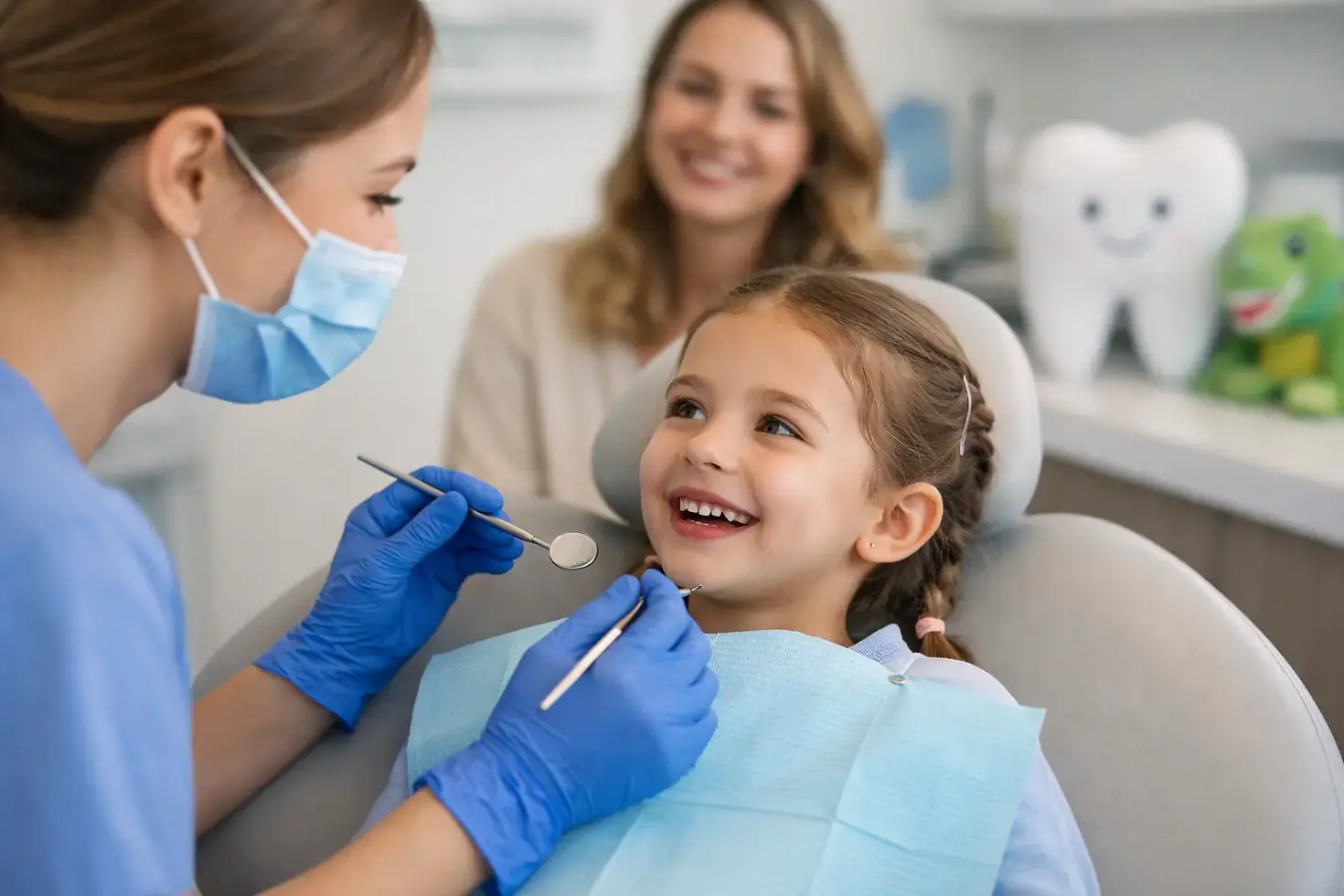
At Broadway Dental Clinic, children are welcomed with patience, clear explanations, and care tailored to their stage of development. Whether your child is coming in for a first checkup, a cleaning, a cavity assessment, or help after a dental injury, a positive experience matters just as much as the treatment itself.
What Makes Kids Dentistry Different?
Children are not simply smaller adult patients. Their teeth, jaws, habits, and comfort needs change quickly from infancy through the teen years. Kids dentistry focuses on prevention, early detection, and communication that children can understand.
A young child may need time to sit in the dental chair, explore the setting, or hear what will happen in simple language before an exam begins. An older child may have questions about braces, sports mouthguards, or why a baby tooth has not fallen out yet. The right approach depends on the child, not just their age.
Parents also need practical guidance. A dental visit should give you a clear picture of your child’s oral health, including brushing technique, dietary habits, fluoride needs, tooth development, and any treatment that may be recommended. When treatment is needed, you should understand why it is being suggested, what the options are, and what to expect next.
When Should Your Child First See a Dentist?
Many dental professionals recommend scheduling a child’s first visit by their first birthday or within six months of the first tooth appearing. This may sound early, but early appointments are often brief and focused on education, prevention, and helping your child become familiar with dental care.
A first visit can help identify concerns before they become more complicated. Early childhood cavities, bite development issues, prolonged thumb-sucking, and enamel concerns can be easier to address when noticed promptly. Just as valuable, your child gets to experience the dental office without arriving in pain or needing urgent treatment.
After that first appointment, your dentist can recommend a schedule based on your child’s individual needs. Many children benefit from regular checkups and cleanings, while others may need more frequent monitoring due to a higher risk of cavities, orthodontic concerns, or medical factors.
What Happens at a Child’s Dental Appointment?
The pace of the visit should match your child’s comfort level. Some children are ready to climb into the chair and open wide right away. Others need reassurance, a parent nearby, or a little extra time. A caring dental team meets children where they are.
Depending on your child’s age and needs, an appointment may include an examination of the teeth and gums, a gentle cleaning, fluoride treatment, digital X-rays when appropriate, and a review of home care. The dentist may also check how the teeth and jaw are developing, look for signs of grinding or decay, and discuss habits such as thumb-sucking, pacifier use, or mouth breathing.
Modern dental technology can make evaluations more precise and efficient. Digital X-rays, for example, can help dentists see between teeth and beneath the gums, where cavities or developing teeth may not be visible during an exam alone. X-rays are not necessary at every visit, and the decision should be based on your child’s oral health history and clinical needs.
Preventing Cavities Starts at Home
Healthy smiles are built through everyday routines, not just dental appointments. Brushing twice daily with fluoride toothpaste, flossing once teeth touch, and drinking water regularly can make a meaningful difference. For young children, parents should help with brushing until they have the coordination to do it thoroughly on their own.
Food and drink choices also matter. It is not only the amount of sugar that affects teeth, but how often teeth are exposed to it. Frequent sipping on juice, sweetened drinks, sports drinks, or sticky snacks gives cavity-causing bacteria more opportunities to produce acids. Saving treats for mealtimes and choosing water between meals can be a realistic family-friendly adjustment.
For children who are prone to cavities, the dentist may recommend fluoride treatments or dental sealants. Sealants are thin protective coatings placed on the chewing surfaces of back teeth, where deep grooves can trap food and bacteria. They are a preventive option, not a substitute for brushing, but they can offer useful protection for some children.
Helping a Nervous Child Feel Comfortable
Dental anxiety is common, especially when a child has had a painful toothache, a difficult medical experience, or simply dislikes unfamiliar places. Parents can help by using calm, positive language before the visit. Rather than promising that nothing will happen, try telling your child that the dentist will count their teeth, help keep their smile strong, and explain each step.
It can also help to avoid sharing your own dental fears. Children notice more than adults expect. A relaxed tone and a simple plan for the day can make the appointment feel manageable.
During the visit, child-focused communication makes a real difference. Dentists may use show-and-tell techniques, explain tools in kid-friendly terms, and offer breaks when needed. For children who require more extensive care or have significant anxiety, sedation dentistry may be considered after a thorough discussion of suitability, benefits, and safety. It is not the right choice for every child, but it can help certain patients receive needed treatment in a more comfortable way.
When a Dental Problem Needs Prompt Care
Not every concern can wait until the next routine checkup. Call a dentist promptly if your child has persistent tooth pain, facial swelling, a broken tooth, or a tooth that has been knocked out. Fast action can relieve discomfort and may improve the chance of saving an injured tooth.
Parents should also seek guidance for these concerns:
A toothache that keeps a child awake, affects eating, or lasts more than a day
Bleeding that does not stop after gentle pressure
Swelling in the gums, jaw, face, or neck
A chipped, cracked, loose, or displaced permanent tooth
If there is trouble breathing or swallowing, significant facial trauma, or uncontrolled bleeding, seek emergency medical care immediately. For a knocked-out permanent tooth, handle it by the crown rather than the root, gently rinse it if dirty, and contact a dentist right away. Baby teeth are handled differently, so avoid trying to place a knocked-out baby tooth back into the socket.
Growing Smiles Need Ongoing Attention
As children grow, their dental needs change. The early years may focus on cavity prevention and establishing comfortable routines. School-age children often need guidance around sealants, sports protection, and newly erupted permanent teeth. Teenagers may need support with orthodontic planning, wisdom teeth monitoring, or the added cavity risk that can come with braces and busy schedules.
This is why family dentistry can be especially convenient. Parents can coordinate care for children and adults in one welcoming practice, with appointment times that work around school, work, and family commitments. Evening and weekend availability can make it easier to keep preventive care from falling behind.
A child does not need to have a dental problem before seeing the dentist. A relaxed checkup today can give your child familiarity, reassurance, and a stronger foundation for the healthy smile they will carry into adulthood. If your family is looking for thoughtful kids dentistry in Midtown Toronto, booking an early, comfortable visit is a kind next step for your child’s smile.


Comments